
Hormonal health
What are flower essences, and how do they differ from essential oils?
By Jo Gibson, Owner and Senior Naturopath
Published , last updated
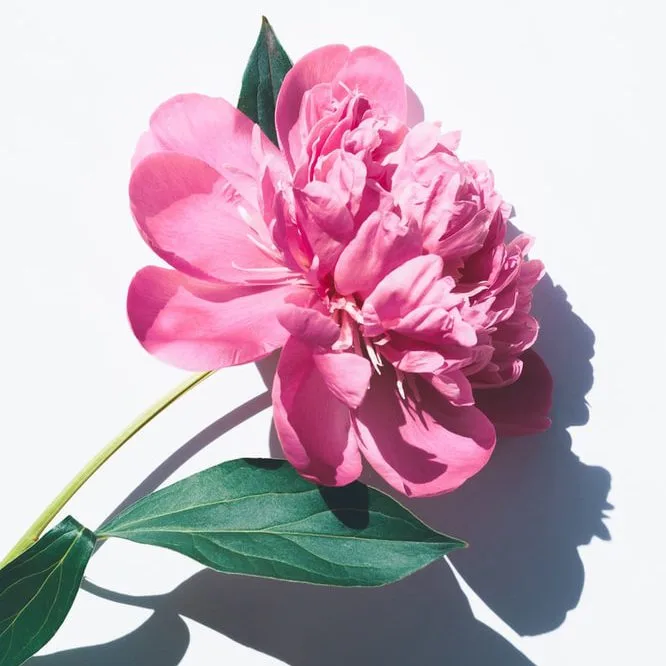
Can't sleep, and wondering what on earth flower essences are, and how they differ from essential oils?
Pull up a chair.
What flower essences are
Flower essences are popular all around the world.
In a nutshell, flowers are steeped in water, and that water is preserved in a bottle with the tiniest amount of organic ethanol.
I'd love to tell you the flowers hand over their attitude and sass at gunpoint, but it's simply water extraction (less exciting, I know).
An essence holds no physical parts of the flower, so it has no scent or taste of its own.
In flower essence tradition, what's left is known as the flower's vibrational signature, or as I like to call it, its mojo.
How essential oils are different
Essential oils are a different thing altogether.
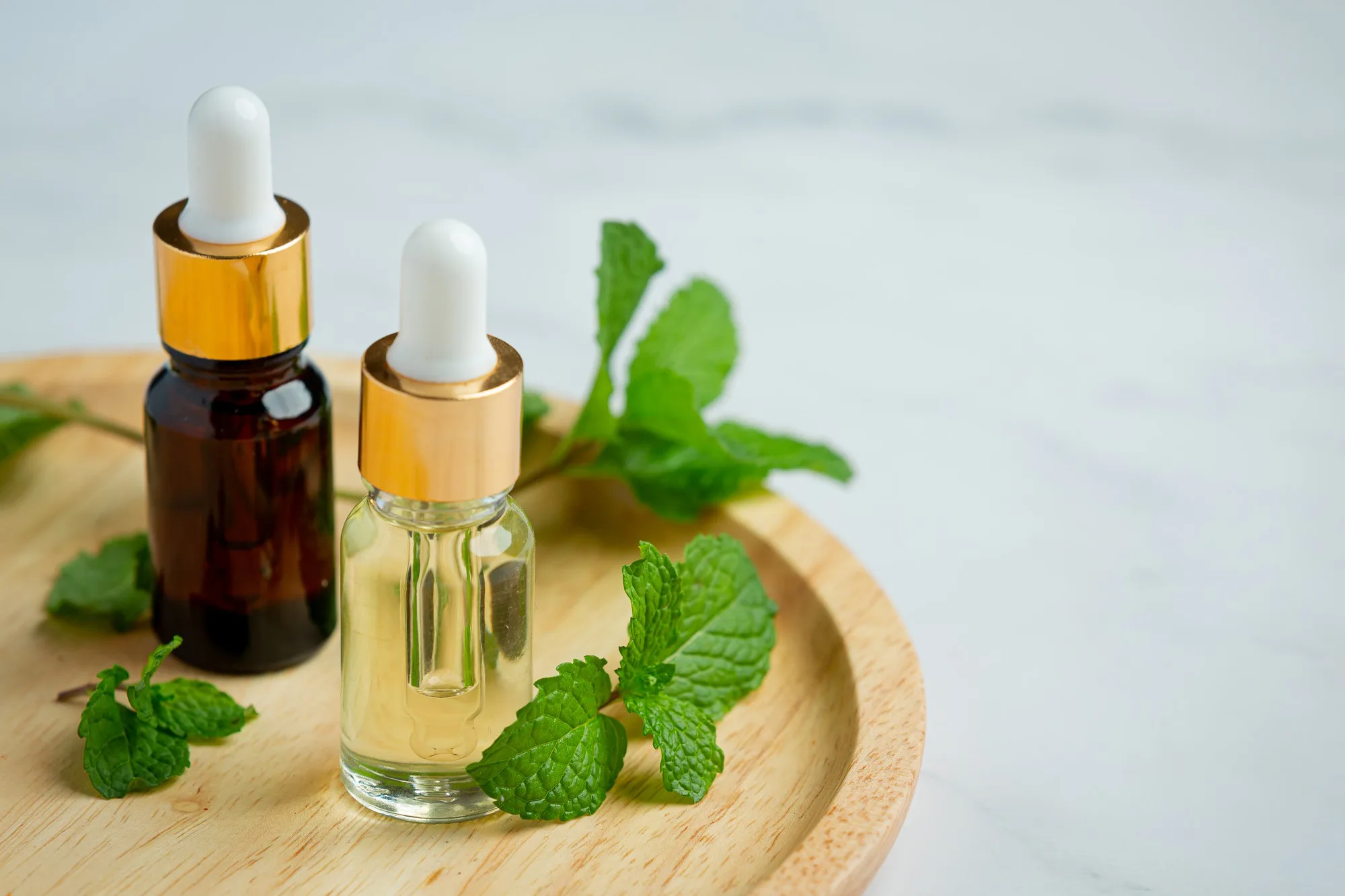
They're concentrated plant extracts, made from parts such as the leaves, roots, seeds and flowers.
They hold compounds you can smell, which is why they're used for their aroma.
Just as a smell can take you straight back to a happy memory, a scent you love can be a nice part of winding down at night.
The difference in a nutshell
Flower essences are taken by mouth, a few drops at a time, and have no scent of their own.
Essential oils are all about scent, and they're used for their aroma.
They can be used on their own, lone wolf style, or side by side like a pair of flower-caped superheroes.
My 5 tips for giving restless nights the finger
1. Keep a regular bedtime
Going to bed at the same time each night is dull, I know, but once it's a habit your body starts to recognise it as time for sleep.
Kids and adults alike thrive on a sleep routine.
Make the hour before bed a slow, relaxing lead-up.
2. Leave a gap between dinner and bed
Finishing your last meal a little while before bed lets your body settle into rest, instead of busily digesting.
3. Switch off the screens
Put the phone, iPad, laptop and TV away at least 1 hour before bed, and earlier if you can.
Swap them for a book, a chat or a cup of herbal tea.
4. Have a warm bath or shower
A warm bath or shower before bed is a lovely way to mark the end of the day.
Add a foot rub afterwards, if you can talk someone into it.
5. Make your room sleep-friendly
Think quiet, dimly lit and cool.
A scent you love can help set the scene, too.
Want a hand with sleep?
If sleep is part of a bigger picture for you, such as hormonal changes or stress, I look at it alongside everything else in a consult.
My hormonal health page explains how I work, and if your sleep has shifted with perimenopause, my page on perimenopause and menopause has more.
Every body responds in its own way, so your plan is built around you and reviewed as we go.
When you're ready, book a consult by Zoom from anywhere in Australia.
You can book with me directly, with no referral needed, and if you already see a GP or specialist, let them know we're working together.
More on hormonal health